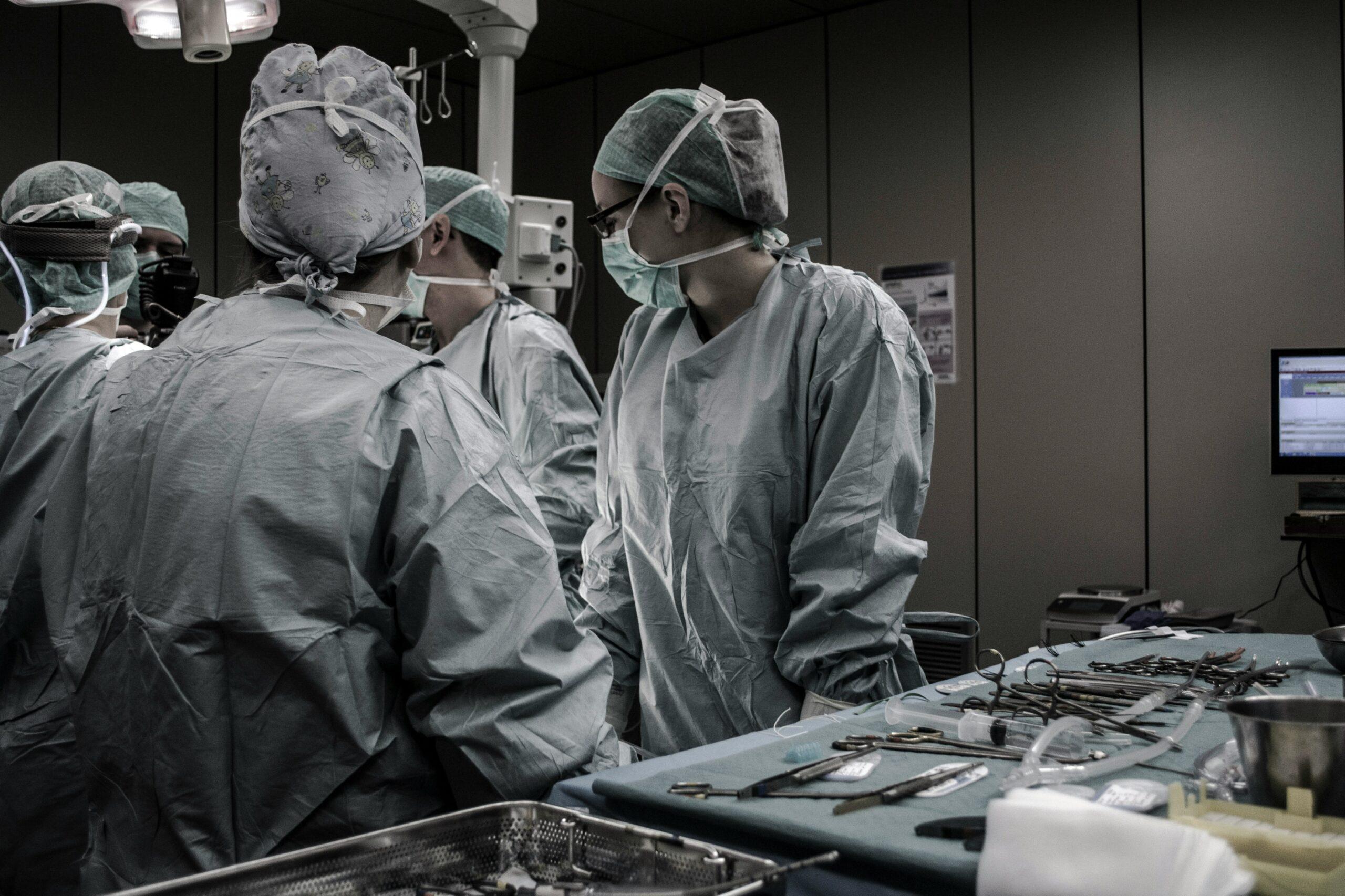
When we enter a hospital, we expect timely and appropriate medical care. For most people, hospitals symbolize protection from illness and injury and a place where problems are diagnosed and treated.
But while hospitals are designed to help patients get better, systemic issues, communication errors, and organizational failures sometimes create hidden dangers. The risks range from minor mistakes to life-altering errors, and the truth is sobering: many of these incidents are preventable.
The State of Hospital Safety
Despite advances in medicine and technology, hospital safety remains a serious concern. One report by the Institute of Medicine in 1999, To Err Is Human, estimated that up to 98,000 Americans die every year due to medical errors. In the decades since, hospitals have implemented new safety measures, yet studies show that preventable errors continue to cause harm.
A study published in The BMJ in 2016 ranked medical errors as the third leading cause of death in the United States, behind only heart disease and cancer. The researchers estimated that more than 250,000 deaths per year could be linked to medical mistakes.
Even more recent data show improvement, but the problem has not been resolved. For example:
- A report by the U.S. Department of Health and Human Services found that nearly 1 in 4 Medicare patients experienced harm during their hospital stay.
- Johns Hopkins researchers continue to emphasize that hospital medical errors are among the most preventable causes of death in the country.
- The Leapfrog Group, which issues hospital safety grades, consistently reports wide variation between institutions, with some facilities excelling and others showing persistent safety challenges.
- Recent research suggests that 1 in 14 hospital patients is subject to harmful diagnostic errors.
Hospitals are complex systems where hundreds of professionals interact daily. Even with safeguards in place, breakdowns can still occur. Recognizing that errors are often preventable is critical. These mistakes are not inevitable side effects of medical care, but warning signs of systematic flaws that demand attention.
What Are Some of the Most Common Medical Errors in Hospitals?
Medical errors can occur in countless ways, but several categories account for the majority of harm. Understanding what these errors look like can help patients and families stay vigilant.
Medication Errors
Medication errors are among the most frequent mistakes. They can occur when:
- The wrong drug is administered.
- The dosage is too high or too low.
- Medications are given at the wrong time or missed entirely.
- A patient receives a drug that interacts dangerously with another.
Surgical Errors
Certain surgical errors, also known as“never events,” are mistakes so serious that they should never occur. Examples include:
- Operating on the wrong body part.
- Leaving surgical instruments or sponges inside a patient.
- Performing the wrong procedure entirely.
Infections
Hospital-acquired infections (HAIs) are another major risk. Patients may contract infections through catheters, ventilators, or surgical sites. Common HAIs include MRSA, C. difficile, and bloodstream infections. While contracting an illness in the hospital
The Centers for Disease Control and Prevention (CDC) estimates that on any given day, 1 in 31 hospital patients has at least one healthcare-associated infection. These infections can be deadly, especially for vulnerable patients with weakened immune systems.
While contracting an infection in the hospital happens in the absence of negligence, timely recognition and treatment of that infection is critical.
Diagnostic Errors
Diagnostic mistakes occur when conditions are misdiagnosed, missed, or diagnosed too late. These errors can delay treatment or lead to unnecessary and potentially harmful interventions.
Communication Failures
Modern-day medical care requires constant communication among doctors, nurses, pharmacists, and administrative staff. When messages are unclear or incomplete, patient safety suffers. Examples include:
- Test results not being shared promptly.
- Miscommunication during shift changes.
- Incomplete records leading to delayed or inadequate treatments.
A 2015 report found that communication failures contributed to 30% of malpractice cases, often with devastating consequences.
Administrative Errors
Administrative mistakes may not seem as serious as clinical errors, but they can be equally harmful. Examples include:
- Admitting the wrong patient for a procedure.
- Medication errors.
- Incorrectly coding patient charts, leading to treatment delays.
Why Hospital Medical Errors Happen
Medical errors can relate to one individual’s actions, but often they result from a combination of systemic flaws and preventable caretaker errors. These errors are not an inevitable part of modern medicine; instead, they are the product of environments that place too much stress on healthcare workers, fail to standardize safety protocols, or neglect to build systems that anticipate human error. In other words, many hospital-based malpractice errors could be avoided with better oversight, planning, and commitment to patient safety.
Pressure on Staff
Doctors, nurses, and other healthcare workers often face overwhelming demands. Hospitals may run with fewer staff than they actually need, especially in emergency departments and intensive care units. When one nurse is responsible for too many patients or a physician is covering multiple shifts without adequate rest, the chances of an error increase dramatically.
Fatigue is a well-documented contributor to mistakes. Sleep-deprived physicians and nurses are more likely to miscalculate dosages, overlook changes in vital signs, fail to communicate status changes to the attending physician, or forget critical steps in care. Burnout—driven by long hours, emotional strain, and chronic understaffing—further reduces a clinician’s ability to remain alert and detail-oriented.
When hospitals maintain safe nurse-to-patient ratios and build schedules that allow healthcare workers proper rest, the risk of errors drops significantly. Hospitals that fail to provide adequate staffing or manage workloads responsibly put patients in unnecessary danger.
Systemic Issues
Some hospital errors stem from the system itself rather than individual actions. Not all facilities adhere to uniform safety protocols. Some rely on outdated procedures or fail to implement clear checklists for tasks like surgeries, medication dispensing, or patient transfers. Without standardization, the risk of inconsistency grows—what one nurse does on one shift may not align with what another does the next day.
Technology can both solve and create problems. Poorly designed electronic health records (EHRs), for example, may cause medication orders to be misfiled or critical test results to be buried in a digital queue. Outdated equipment, insufficient training on new systems, and a lack of integration between hospital departments also contribute to communication breakdowns.
Systemic issues are also preventable. Hospitals that invest in modern, user-friendly technology and enforce consistent safety protocols see better outcomes. When hospitals neglect these improvements, they expose patients to risks that should already be eliminated.
How Patients Can Protect Themselves Against Hospital Errors
While hospitals carry the responsibility of ensuring patient safety, individuals can take steps to reduce their own risk. Being proactive, asking questions, and engaging in your care can make a significant difference.
Bring an Advocate
If possible, have a trusted friend or family member with you during your hospital stay. Advocates can monitor treatment, ask questions, and speak up if something seems wrong.
Ask Questions
Never hesitate to ask your healthcare providers to explain what they are doing. If you receive medication, ask what it is for and verify the dosage. During procedures, confirm your identity and the purpose of the treatment.
Practice Hand Hygiene
Handwashing is a simple but effective tool. Remind both yourself and visitors to wash their hands regularly. Do not be afraid to ask healthcare workers if they have washed their hands before examining you.
Review Test Results
Follow up on lab results, imaging, and other tests. Do not assume that if you do not hear back, everything is fine. Sometimes results are delayed or overlooked.
Prepare Before Surgery
Before undergoing surgery, verify the procedure with your surgeon and make sure everyone in the operating room agrees on what is being done.

When Things Go Wrong: Legal Options
Despite taking precautions, some patients still suffer harm because of preventable errors. When injuries occur due to negligence, the law provides avenues for accountability.
Some signs that you may have experienced hospital negligence include:
- A serious and unexpected treatment outcome.
- Receiving the wrong medication or dosage.
- Infections that develop without timely treatment during your hospital stay.
- Discovering that a diagnosis was missed or delayed.
- Learning that a surgery involved the wrong procedure or site.
How a Medical Malpractice Lawyer Can Help
At Power Rogers, our medical malpractice lawyers can investigate what went wrong and determine whether the hospital or healthcare providers failed to meet the accepted standard of care. This process can include:
- Reviewing medical records
- Consulting with expert witnesses
- Identifying systemic or individual failures
- Filing a lawsuit on behalf of the injured patient
Compensation in medical malpractice cases may include coverage for additional medical expenses, lost wages, pain and suffering, and long-term care needs. In cases involving fatal medical errors, families may be able to file a wrongful death lawsuit.
Power Rogers Stands Up for Victims of Hospital Malpractice
Hospitals are meant to be safe havens where healing takes place. While many medical professionals work tirelessly to provide excellent care, systemic flaws and preventable errors mean risks still exist. Patients should take an active role in protecting their safety, but when hospitals fail, accountability is essential.
At Power Rogers, we stand with victims of hospital malpractice. Our firm has earned a national reputation for fighting on behalf of patients harmed by medical negligence. We understand how devastating it is to suffer from an error that should never have happened, and we are committed to pursuing justice and financial recovery for those affected.
If you or a loved one has been harmed during a hospital stay, do not hesitate to reach out. Contact Power Rogers today to discuss your situation and learn how we can help.

