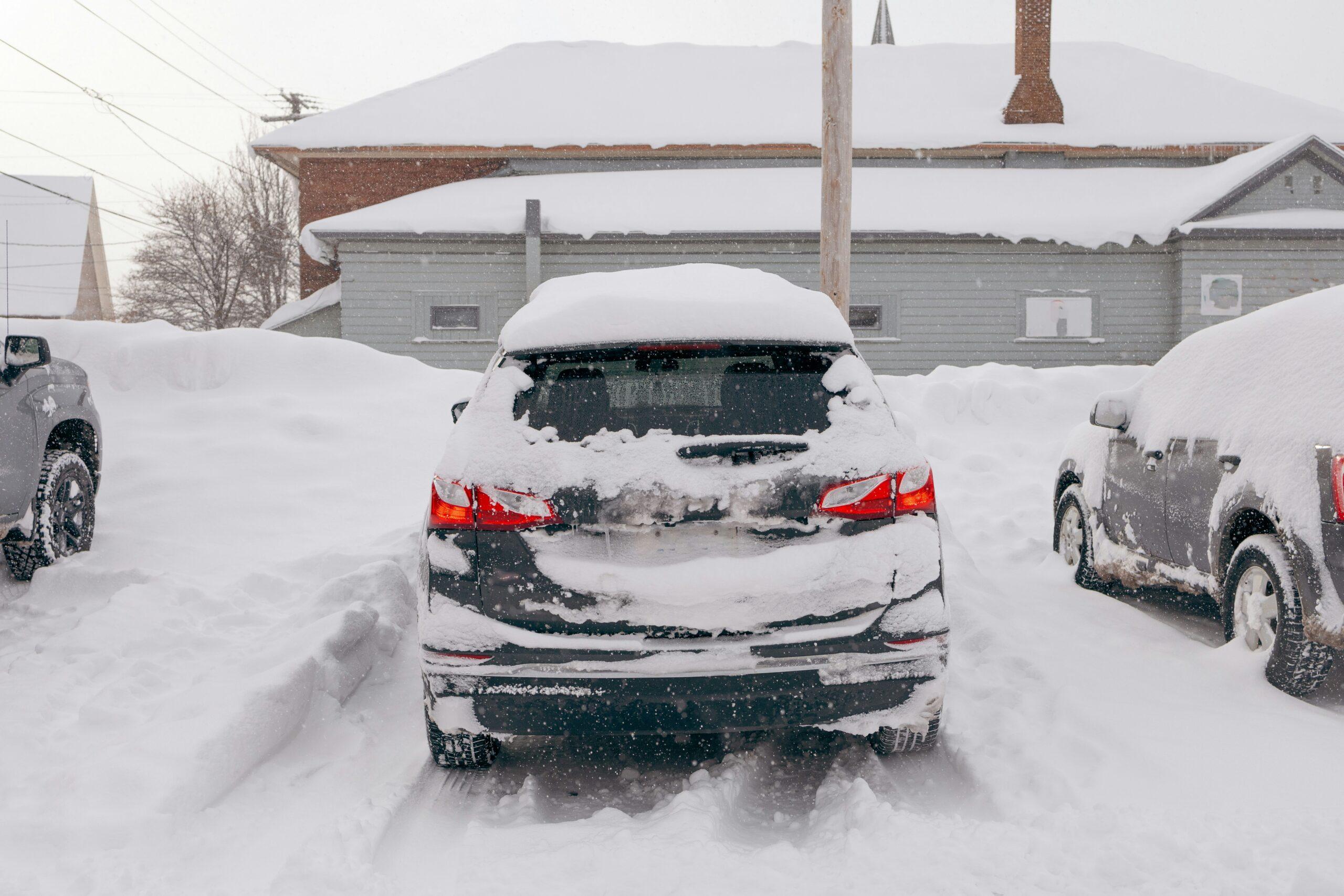
Chicago winters are notorious for their harsh conditions. From snow and sleet to freezing rain and bitter winds, winter transforms the city’s roads into unpredictable hazards. Even experienced drivers can find themselves in a dangerous situation, and accidents often happen faster than anyone expects. Beyond the immediate physical danger, these collisions frequently lead to complex insurance claims, mounting medical bills, and questions about legal rights.
Understanding the risks associated with winter driving and knowing your legal options can make a significant difference if you or a loved one is involved in a car accident during the colder months.
Why Winter Weather Makes Driving Riskier in Chicago
Winter weather has a direct impact on driving safety, especially in Chicago, where snow and ice can appear suddenly and linger for days. Some of the most common weather-related hazards include:
- Reduced traction on roads. Snow, ice, and compacted slush make it harder for tires to grip the pavement. Even gentle braking or a slight turn can cause a vehicle to skid, spin, or slide into other cars.
- Black ice. One of the most dangerous winter hazards, black ice is nearly invisible. It often forms on bridges, overpasses, and shaded areas, catching drivers off guard. Even careful drivers can lose control on a thin patch of black ice.
- Poor visibility. Snowfall, blowing snow, and glare from the low winter sun reduce visibility significantly. Drivers may not see traffic signals, pedestrians, or other vehicles until it’s too late to react.
- Vehicle issues caused by cold temperatures. Freezing temperatures can affect tire pressure, battery performance, and braking efficiency. A car that is not winter-ready is more likely to malfunction in dangerous conditions.
Combined, these factors create a high-risk driving environment. In Chicago, winter conditions are often unpredictable, making even routine commutes more dangerous than usual.
Contributing Factors Beyond Adverse Weather Conditions
While inclement weather creates the conditions for accidents, other factors often contribute to winter crashes. These include:
- Driver behavior. Speeding, distracted driving, impairment, or failing to adjust to icy conditions dramatically increases the risk of a collision. Drivers who underestimate winter hazards or tailgate other vehicles are more likely to cause accidents.
- Road maintenance. Streets and intersections that are plowed or salted late can create hazardous conditions, especially on secondary roads and residential areas. Poorly maintained streets may contain untreated ice patches or uncleared snow that contribute to crashes.
- Vehicle maintenance issues. Cars that are not properly maintained, including worn tires, brakes needing repair, or broken lights, increase the risk of accidents. Proper upkeep can make a critical difference in safely navigating winter roads.
Understanding these contributing factors is important, not just for safety, but also for legal purposes. If another driver’s choices, such as speeding or driving under the influence, played a role in your accident, you may have grounds to pursue compensation.
Understanding Your Legal Options After a Winter Car Accident
Bad weather can make it confusing to know whether you can pursue a personal injury claim after a car accident. Snow, ice, and slick roads may leave some people wondering if the weather itself prevents them from seeking compensation.
The truth is, you may still be able to recover for your injuries, medical expenses, lost wages, and damage to your vehicle as long as the other driver’s actions caused the crash. Even if icy roads or low visibility contributed, what matters is whether the other driver was responsible for the accident.
Proving fault in winter accidents often requires careful documentation. Gathering police reports, witness statements, photographs of the scene, and records of your injuries and treatment can all help show that the crash was caused by the other driver’s decisions, not just the weather.
Why Legal Representation Matters
Winter weather-related accidents can raise unique challenges for anyone trying to recover after a crash. Insurers may point to icy roads or snowy conditions as a reason to reduce or deny claims. Having guidance from a car accident attorney helps make sure your case is evaluated fairly. Some ways a lawyer can help include:
- Negotiating with insurers. Companies may argue that the weather, rather than another driver, caused the accident. An attorney can help clarify how the driver’s choices, like speeding, distracted driving, or failing to slow down, contributed to the crash.
- Accounting for injuries over time. Injuries from winter collisions may not be obvious immediately. Legal guidance ensures that future medical needs are considered, so compensation reflects the full impact of the accident.
- Understanding shared responsibility. Illinois law allows for shared fault in accidents. Even if winter conditions played a part or you were partly at fault, an attorney can help ensure your recovery reflects the other driver’s share of responsibility.
- Identifying all responsible parties. Some accidents involve multiple drivers or entities responsible for road conditions. Legal guidance can help make sure all potentially liable parties are considered.
- Navigating local rules and procedures. Chicago roads, traffic laws, and court practices can be complex. Knowledge of local procedures helps ensure claims are handled correctly and efficiently.
Even with winter weather complicating the situation, taking the right steps and understanding your options can make a big difference in how a claim is handled. Knowing what to do immediately after a crash can protect your rights and improve your chances of a fair outcome.
Steps to Take After a Winter Car Accident
Winter crashes can be unpredictable, and the right steps immediately after an accident can protect both your safety and your ability to recover compensation.
- Ensure safety first. Cold, icy roads make secondary collisions more likely. If it’s safe, move your vehicle to the side of the road and turn on your hazard lights. Check yourself and others for injuries and call 911 if anyone needs urgent medical attention.
- Seek medical attention promptly. Some accident injuries, like whiplash or internal trauma, may not be obvious right away. Getting evaluated quickly protects your health and creates a clear record of your injuries for insurance or legal purposes.
- Document the accident scene carefully. Snow, ice, and road conditions often play a role in winter crashes, and evidence of these conditions can be important for proving fault. Take photos of vehicle damage, skid marks, icy patches, and visibility conditions. Collect contact and insurance information from other drivers and any witnesses.
- Report the accident to the authorities. Police reports are especially important in winter crashes, where road conditions can complicate liability. A formal report provides an official record of the accident, including contributing factors like ice, snow, or poor visibility.
- Notify your insurance company factually. Give a clear, objective account of what happened, but avoid speculating about fault or weather conditions. Consulting a lawyer before detailed discussions with insurers can help ensure your statements don’t unintentionally limit your claim.
- Reach out to a Chicago car accident lawyer: Speaking with an experienced Chicago car accident attorney early can help you understand your options, preserve evidence, and protect your rights throughout the claims process.
Taking these steps promptly helps preserve crucial evidence, document the full impact of your injuries, and lay the foundation for a fair resolution, even when winter weather played a role in the crash.
Get in Touch With Power Rogers After a Winter Accident
Winter driving can be unpredictable, and the consequences of a car accident often extend beyond vehicle damage. If you or a loved one has been injured in a winter car accident in Chicago, it’s crucial to understand your rights and legal options.
At Power Rogers, we have decades of experience helping clients across Chicago and Illinois recover full compensation after weather-related crashes and other accidents. Our attorneys have secured billions in verdicts and settlements and are committed to providing personal attention to every client.
Contact us today for a free consultation. We’ll review your case, explain your options, and help you take the next step toward recovery and fair compensation.

