Personal injury cases rely heavily on the ability to prove two key elements: liability and damages. Whether someone was injured in a car crash, a slip and fall, or a workplace incident, their legal team must show not only that someone else was responsible, but also that the injury had real, measurable impacts: physical, emotional, and financial.
What many people do not realize is that social media can play an outsized role in this process.
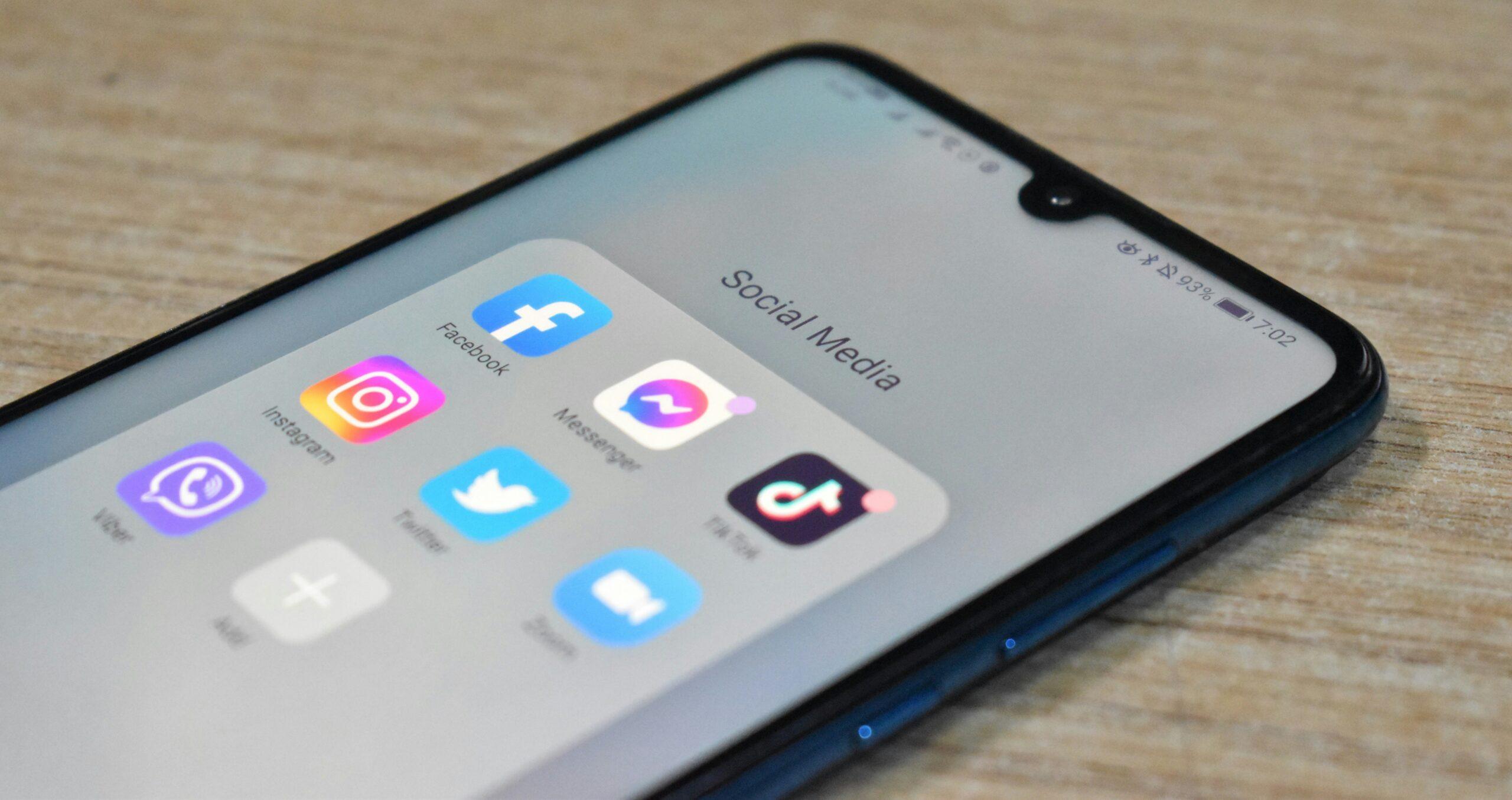
In a world where sharing life updates is second nature, posting on social platforms like Facebook, Instagram, TikTok, or X can feel harmless. However, in a personal injury claim, those casual updates can become evidence, used either to support or, more often, undermine your case. The things you say, post, or even “like” online can be scrutinized by insurance companies and defense attorneys looking for ways to limit or deny compensation.
Understanding how social media can destroy your personal injury claim is the first step in protecting your rights. Below is a guide to the dos and don’ts of social media during an active injury case, so you can make informed choices and safeguard your claim.
How Social Media and Personal Injury Claims Can Intertwine
Social media has become a routine part of everyday life, often blurring the lines between public and private moments. For individuals pursuing a personal injury claim, that blurred line can become a serious risk. Insurance companies and defense attorneys regularly monitor social media accounts in search of anything that could be used to challenge a case. Some even hire third-party investigators or use specialized software to track a claimant’s online activity. Their goal is simple: to uncover inconsistencies that can reduce or eliminate a payout.
Common types of content they scrutinize include:
- Photos or videos showing you engaging in physical activity, travel, or social events.
- Status updates that contradict reported symptoms or limitations.
- Location check-ins at places like gyms, concerts, or vacation destinations.
- Comments and messages that suggest different timelines or narratives than those presented in legal documents.
- Posts from friends or relatives that tag or mention you.
Even something as simple as a smiling photo at a family gathering can be used to suggest that an injury is less severe than reported. Context often gets lost in these reviews, and once a piece of content has been captured, whether by screenshot or subpoena, it can become part of the legal record. Social media may feel personal, but in a personal injury case, it is treated as public evidence.
To better illustrate how social media and a personal injury case can intersect, imagine the following scenario: a person suffers a back injury in a rear-end collision and files a personal injury claim for ongoing pain, limited mobility, and lost wages due to physical limitations. A few weeks later, they attend a friend’s birthday party and are tagged in an Instagram video that shows them dancing for a few seconds. While they may have been in pain before and after the clip, and only participated briefly, that single video can be presented in court to argue that the injury is not as severe as claimed.
Even if the individual deleted the post or asked for it to be taken down, it may be too late. Deleted content can often be recovered, especially if it was previously saved, screenshotted, or cached by third parties.
This is just one reason why understanding personal injury social media guidelines is essential for anyone pursuing a claim.
The “Don’ts:” What You Should Avoid Posting
The most effective way to prevent your social media activity from negatively impacting your claim is by not posting at all during your case. However, being unable to interact with friends and family online can feel isolating, especially for those who are still recovering from their injuries. If you choose to continue using social media during this time, here are the most important things to avoid:
1. Never Discuss Your Case Online
This includes:
- Sharing updates about your injury or recovery.
- Talking about court appearances or negotiations.
- Mentioning the people or companies involved.
- Venting about the insurance company or legal system.
Even vague references can be misinterpreted or used out of context. Opposing counsel may argue that your comments reflect inconsistent statements or a lack of credibility.
2. Avoid Photos or Videos of Physical Activity
Photos or videos showing physical activity, no matter how light, can damage your claim. For instance:
- Hiking, biking, or swimming.
- Lifting children or heavy objects.
- Participating in sports or fitness classes.
Even if the activity was minor or caused you pain afterward, images can be misleading. These posts often get taken at face value and used to question the extent of your injury.
3. Do Not Post About Travel or Social Events
Vacations, nights out, and social events may suggest that your life has returned to normal or that your injury is not affecting your daily routine. For example:
- A selfie at a concert.
- A group photo at a family reunion.
- A post about attending a wedding or holiday party.
Even if you were present and not fully participating, those images can be twisted to reduce the perceived seriousness of your condition.
4. Be Wary of Likes, Comments, and Shares
People often overlook how engagement on social media, such as liking, commenting, or sharing, can also reveal activity levels or emotional states. For example:
- Commenting “So fun!” on someone’s beach photo, you were tagged in.
- Liking a post about a marathon event, the day you said you were bedridden.
- Sharing a meme about faking injuries (even in jest).
Such activity may seem harmless or even unrelated, but it can still be used to undermine your claim.
The “Dos:” How to Protect Yourself and Your Case
In addition to avoiding the pitfalls above, there are a number of steps you can and should take to mitigate the chance of social media harming your case:
1. Update Your Privacy Settings
Set your accounts to private, review your follower list, and limit who can tag you or post on your timeline. While this does not make your content immune from discovery in a legal investigation, it adds a layer of protection.
Be aware: Privacy settings are not foolproof. Courts can compel you to turn over private posts, and others can still take screenshots.
2. Ask Friends and Family for Support
Let your loved ones know about your situation and ask them to avoid:
- Tagging you in photos or posts.
- Sharing information about your injury or case.
- Posting images that include you, even in the background.
Their cooperation can prevent unintended exposure that could be used against your claim.
3. Think Carefully Before Posting Anything
Before hitting “publish,” ask yourself:
- Could this be misinterpreted by someone trying to discredit my claim?
- Does this post reflect any information that contradicts what I have shared with my attorney?
- Am I tagged in this post, even if I did not share it?
When in doubt, do not post.
4. Consult With Your Legal Team
If you are ever uncertain about whether something is appropriate to post, ask your attorney. They can advise you on what to avoid and may even help you monitor your digital footprint during the case.
The Bottom Line: Think Before You Post
Social media is deeply woven into our lives. It helps us stay connected, share memories, and express ourselves. However, when you are involved in a personal injury claim, it becomes a double-edged sword. What once served as a personal journal or social outlet can now be weaponized to question your integrity, challenge your account of events, and reduce the compensation you may rightfully deserve.
Seemingly harmless posts, even those made in good spirits, can be taken out of context and used to suggest that you are exaggerating your injuries or living normally despite reported limitations. Even emojis, reactions, or brief comments can be misinterpreted or manipulated to weaken your case.
To recap:
- Yes, insurance companies check social media, and they use what they find.
- Even innocent or unrelated posts can be used to cast doubt on your injury claim.
- The safest course of action is to limit your social media activity or avoid it altogether during your case.
- If you do continue using social platforms, follow strict dos and don’ts to avoid jeopardizing your claim.
- Always consult with your attorney about your digital presence if you are unsure.
Social media can hurt your case, but with the right approach, it does not have to. By being mindful of what you share, you protect not only your privacy but also your right to seek justice and fair compensation. Your voice matters, but during a legal case, it is important to make sure it is heard in the right place, at the right time, and with the proper protection.
If you are pursuing a personal injury claim, the team at Power Rogers can guide you through the dos and don’ts of social media and help you protect your case. Contact us to discuss your situation and ensure your online activity does not undermine your right to fair compensation.

