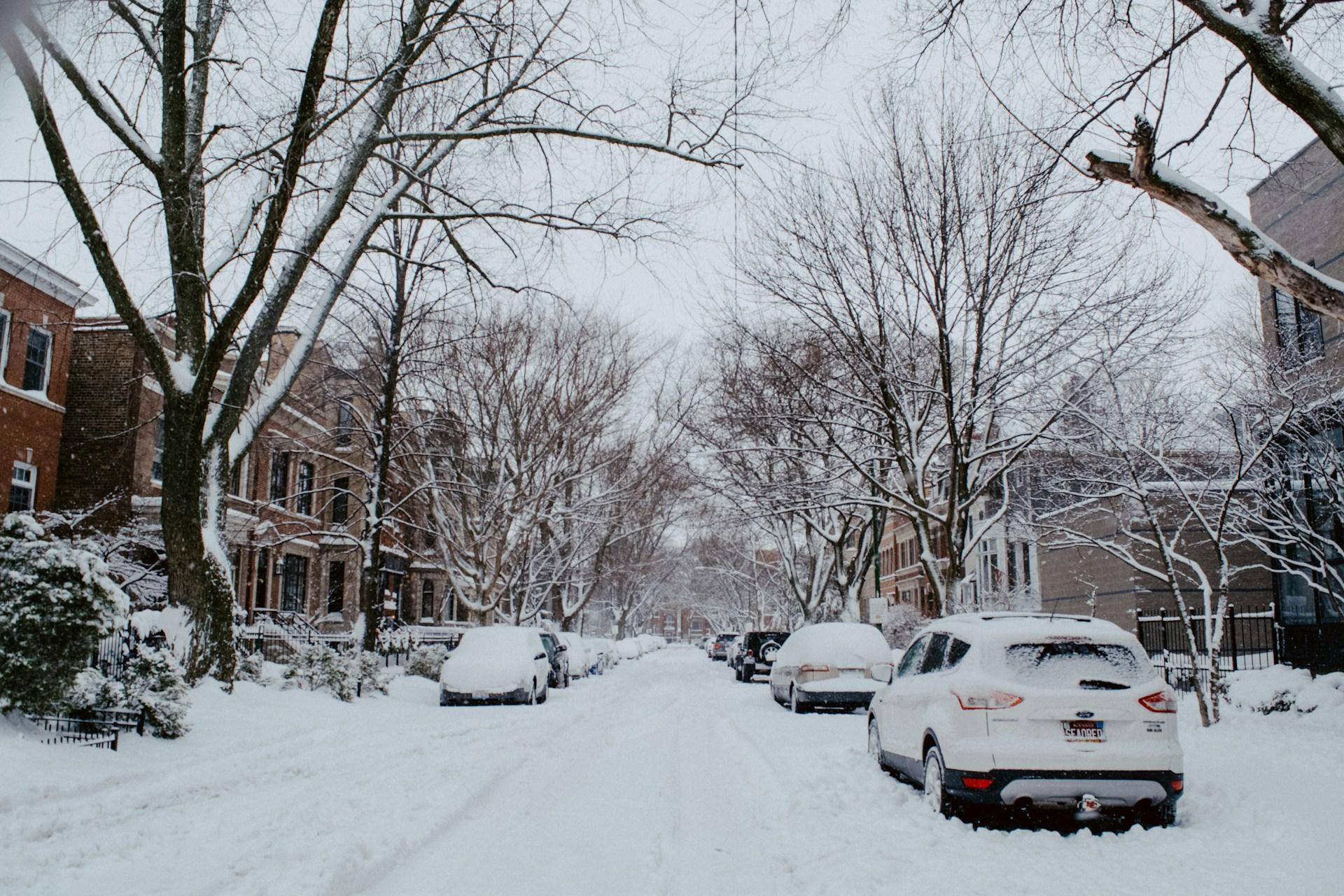
Most Chicago drivers know that winter brings more crashes. What many don’t realize is that icy roads, snowy weather, and sudden lake-effect storms make those crashes far more dangerous, often resulting in serious injuries. Slippery streets, poor visibility, and unpredictable weather can turn routine commutes into high-risk situations, while multi-vehicle collisions on packed highways increase the chances of severe trauma.
In this blog, we’ll break down the factors that make winter crashes more hazardous, from environmental hazards and common driver mistakes to what you should know about protecting your legal rights if you’re involved in a serious accident.
Why Winter Roads Amplify Crash Severity
Several winter-specific hazards combine to make collisions in Chicago more damaging than those in other seasons. From slick surfaces to limited visibility and high winds, each factor can escalate what might otherwise be a minor fender bender into a serious, injury-causing crash.
Reduced Traction
Rain, snow, and ice make it harder for drivers to control their vehicles. Even all-season tires can slide on thin layers of ice. When cars skid while stopping or spin out while turning, collisions often occur at higher speeds or with less opportunity to avoid other vehicles, increasing the likelihood of serious injuries.
Limited Visibility
Precipitation, fog, road spray, and shorter winter days can obscure hazards, leaving little time to react. Black ice can form in shaded areas as temperatures drop, making crashes harder to avoid. When accidents happen at full speed because hazards are unseen, the risk of severe injury rises.
Large Vehicle Hazards
Snowplows and other large vehicles are necessary for keeping roads clear, but they can create additional risks. Blind spots and protruding blades make collisions more likely, and crashes involving heavy vehicles often result in more severe injuries.
Winter Conditions Aren’t the Only Risk
Despite the risks posed by adverse weather conditions, most car accidents are caused by driving errors. Weather, visibility, and road conditions set the stage for crashes, and careless drivers provide the final ingredient. The following risky behaviors are amplified by winter weather conditions.
- Speeding: High speeds make vehicles more difficult to control and stop. Wet or slick surfaces amplify these effects. Even if a driver is traveling at or below the speed limit, that might still be too fast for road conditions.
- Distracted Driving: Winter conditions require drivers to focus on the road and traffic. Even a brief distraction, such as a glance at a text message, can rob a driver of the time and space to avoid a crash.
- Tailgating: Following other vehicles too closely can lead to rear-end collisions in good weather. On icy roads, drivers must leave even more space in order to brake safely.
- Careless Maintenance: Maintenance issues become amplified in poor weather. Bald tires will slide across snow and ice instead of gripping. A broken defroster or worn wiper blades will leave drivers unable to see through the windshield.
- Impaired Driving: In Chicago, snowy and icy roads aren’t uncommon on holidays like Thanksgiving, Christmas, and New Year’s Eve. Alcohol consumption can combine with winter weather conditions to produce a serious car crash.
- Failing to Yield at Intersections: Right-of-way rules are supposed to keep drivers safe at intersections. However, impatient or distracted drivers might proceed when they should wait. Unfortunately, in winter conditions, the driver with the right-of-way might not have enough time to slow down or stop before hitting the violator’s vehicle.
Legal Considerations After Winter Weather Car Accidents in Chicago
Winter weather crashes can be confusing. Many people assume they cannot pursue a personal injury claim because bad weather played a role, and that the accident was simply unavoidable. While the weather is often a factor, drivers still have a legal responsibility to operate their vehicles safely. Illinois negligence laws hold drivers accountable for failing to exercise reasonable care under the conditions.
This means drivers must obey traffic laws and adjust their speed, attention, and behavior to match road and weather conditions. If a crash could have been prevented by safer driving, such as reducing speed on ice, leaving extra space, or maintaining tires, drivers may be held liable for resulting injuries.
If you were injured in a winter car accident, especially a serious one, a Chicago car accident lawyer can help. They can evaluate the facts, gather evidence to prove negligence, document injuries, and assess long-term impacts to help you pursue fair compensation.
Tips for Avoiding Winter Weather Accidents
While you can’t control other drivers, there are steps you can take to reduce your risk of a winter crash:
- Adjust your speed for conditions: Even if the speed limit allows it, slower driving gives you more time to react on icy or snow-packed roads.
- Leave extra space between vehicles: On slick surfaces, it takes longer to stop. Increasing your following distance can prevent rear-end collisions and give you room to maneuver around hazards.
- Maintain your vehicle for winter: Check tire tread, brakes, lights, and windshield wipers before the first snowfall. Properly functioning equipment improves control and visibility in adverse conditions.
- Plan your travel around the weather: If possible, avoid driving during heavy snow, ice, or severe storms. Delaying trips can prevent high-risk situations entirely.
- Stay focused and avoid distractions: Winter roads demand constant attention. Even brief distractions, like adjusting a radio or checking your phone, can drastically reduce reaction time.
Taking reasonable care on winter roads not only helps protect you and others from injury, but it also strengthens your position if you are ever involved in a crash. Courts and insurance companies look at whether drivers exercised appropriate caution under the conditions.
If You Were Involved in a Serious Winter Accident in Chicago, Call Power Rogers
Winter weather makes driving riskier, but many weather-related crashes happen because drivers act carelessly or aggressively. If you were injured in a winter car accident, it’s important to understand your legal options. Speaking with a Chicago car accident attorney can help you determine whether you may be eligible to file a personal injury claim and pursue compensation for your medical expenses, lost income, and other damages.
At Power Rogers, we know how complex these situations are, and we are here to help you take your next steps after a winter-related accident. Contact us today for a free consultation with one of our car accident lawyers.

