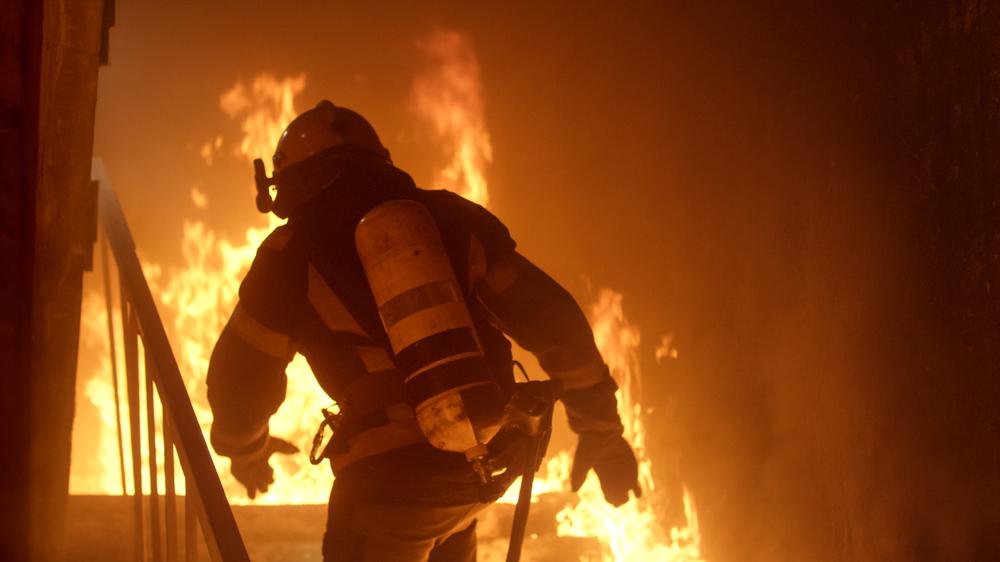
Firefighters and EMTs step into situations most people run from. Burning buildings, multi-vehicle crashes, and medical emergencies aren’t rare events in their world – they’re simply routine. The risks are real, and everyone understands that. However, there’s an important line that often gets overlooked. Not every injury a first responder suffers is simply “part of the job.” When someone else’s negligence creates or worsens a dangerous situation, first responders and their families may have legal options.
When an Injury Isn’t Just “Part of the Job”
First responders accept that their work involves inherent risks, but some injuries go beyond what’s built into the job. When harm is caused by preventable dangers created by others, it may give rise to legal claims. For instance, if an EMT is carrying a patient down a stairwell that collapses due to poor maintenance, or a firetruck is hit when responding to a call, these are risks that responders did not assume. Incidents like these often happen because someone else acted in a way that put others at risk.
Common examples of third-party negligence in first responder injury cases include:
- Distracted, impaired, or reckless drivers who collide with emergency vehicles or personnel on scene.
- Property owners who fail to address hazardous conditions.
- Manufacturers of equipment, tools, or vehicles that fail during critical moments.
In these situations, first responders and their families may have legal options beyond workers’ compensation.
Understanding the Limits of Workers’ Compensation
For most injured firefighters and EMTs, workers’ compensation is the starting point. Workers’ compensation is designed to provide benefits no matter who is at fault for the accident. That means that an injured first responder does not have to prove that anyone did something wrong to receive medical care and wage compensation. This system can be the first means of support in the immediate aftermath of an injury, helping cover treatment, wage replacement, and long-term disability.
Unfortunately, there are certain costs that workers’ compensation doesn’t cover. Benefits are limited to only a portion of lost wages, and the system does not compensate injured workers for pain and suffering. That’s where third-party liability claims come in.
Third-Party Liability Claims: An Additional Path to Compensation
When a third party’s negligence causes or contributes to a first responder’s injury, filing a personal injury claim against that third party may provide an additional path to financial recovery. This type of claim can be filed separately from a workers’ compensation claim and is different in a few key ways.
First, it requires proving fault. The injured party must show that another individual or entity acted negligently and that their actions caused the injury. In exchange for that higher burden, the potential recovery is much broader. A successful third-party claim can include compensation for the full extent of lost wages, not just a percentage. It can also include damages for pain and suffering.
Legal Challenges in First Responder Personal Injury Cases
One of the biggest challenges in a third-party claim is separating what is considered an inherent risk of the job from what could have been prevented. Insurance companies and defense attorneys often argue that the dangers first responders face are part of their role, and that injuries should be viewed through that lens. If negligence is involved, that argument isn’t solid.
Another challenge is identifying all potentially responsible parties. Emergency scenes are disastrous. Multiple parties may be involved, from property owners and contractors to equipment manufacturers and drivers. Each may play a role in what happened, and each must be evaluated carefully.
Evidence can also be difficult to gather. Emergencies are chaotic by nature, and conditions change quickly. Once the scene is cleared, important evidence can be lost. These factors make it important to approach first responder injury cases with a clear strategy and a deep understanding of both the legal and practical issues involved.
How a Lawyer Can Help Navigate These Claims
First responder injury cases are highly complex. Working with a personal injury lawyer can help you and your family focus on recovery rather than legal and administrative burdens.
An attorney can help:
- Investigate the Incident Thoroughly: Lawyers examine the scene, gather physical evidence, review reports, and interview witnesses to piece together what happened in often unpredictable and dangerous conditions.
- Identify All Potentially Liable Parties: Injuries may result from multiple sources, from drivers, property owners, contractors, or manufacturers. A lawyer ensures that no responsible party is overlooked.
- Handle Complex Insurance Interactions: Insurance companies often contest claims aggressively, especially when serious injuries are involved. Your attorney manages negotiations, protects your rights, and ensures that insurers cannot minimize or delay compensation.
- Prepare for Litigation if Necessary: When a settlement isn’t possible, a lawyer can file a personal injury lawsuit and continue to fight for you in court.
With an experienced attorney on your side, you have the best chance of recovering the maximum compensation you are entitled to.
Do You Have a First Responder Personal Injury Case? Contact Power Rogers to Learn How We Can Help
First responders are trained to move toward danger, not away from it. Even so, they shouldn’t have to bear the cost of someone else’s carelessness. If you were injured while responding to an emergency, it’s worth taking a closer look at what happened. Not every injury should be written off as “part of the job,” especially when preventable failures played a role.
Power Rogers has decades of experience handling difficult, high-stakes injury cases, and to date, we have recovered more than $6 billion for individuals and families in Chicago and throughout Illinois.
You can learn more about your legal options by contacting us today and scheduling a free consultation. A conversation does not commit you to anything, but it can give you a clearer understanding of your options and the path forward. When negligence is involved, you deserve answers and the opportunity to pursue full accountability.

