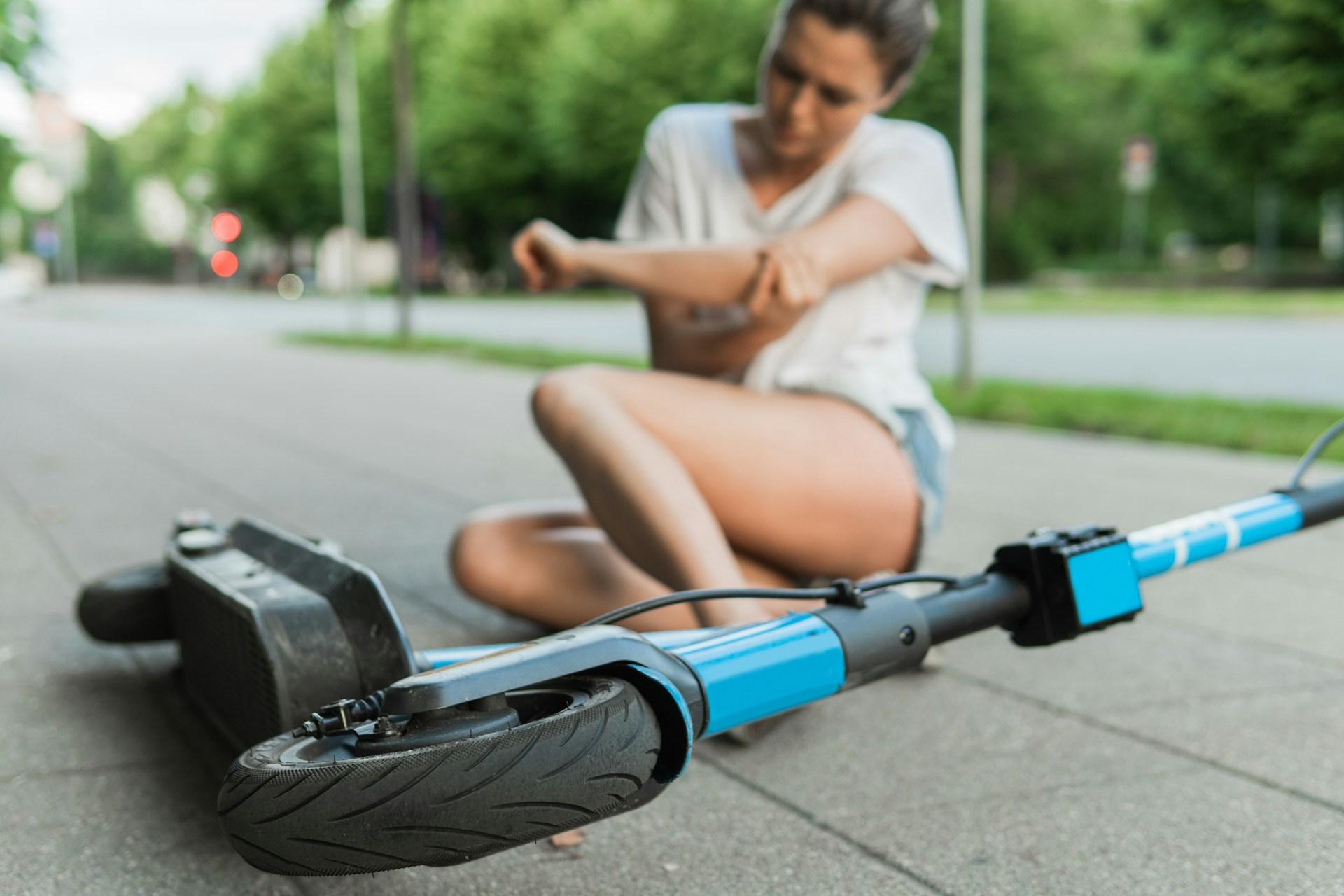
Electric scooters and electric bikes have become a common part of Chicago’s transportation landscape. Between Divvy’s expanding fleet and private rental apps like Lime and Bird, thousands of riders take to city streets every day. That growth has brought real benefits for commuters, but it has also created a new and growing category of injury claims that don’t fit neatly into traditional accident law.
When someone gets hurt in one of these crashes, the question of who pays is rarely simple. Unlike a standard two-car collision, e-scooter and e-bike accidents often involve multiple potentially responsible parties, and the answer depends on facts that vary from case to case.
When E-Bike or E-Scooter Riders May Be Liable
E-bike and electric scooter riders are not automatically off the hook when they’re involved in a crash. Under Illinois negligence law, anyone operating a vehicle on public roads owes a duty of reasonable care to others, and e-bike and scooter riders are no exception.
Many accidents happen because riders break basic traffic rules. Common examples include:
- Running stop signs or red lights
- Riding on sidewalks instead of in designated bike lanes
- Using a phone or wearing headphones while riding
- Operating a scooter or e-bike while impaired
- Making unpredictable lane changes or weaving through traffic
These aren’t edge cases. A significant share of micromobility crashes trace back to rider conduct, not just bad circumstances.
One practical complication for injury victims is that many riders carry no insurance that would cover a crash. Unlike drivers, who are required to carry auto liability coverage in Illinois, scooter and e-bike riders often have no comparable policy in place. That gap can make it harder for injured parties to recover compensation, even when fault is clear.
When Motor Vehicle Drivers May Be Liable
Drivers are frequently the primary responsible party when a rider is seriously hurt. E-scooters and e-bikes share road space with cars and trucks, and when drivers fail to account for smaller vehicles, the consequences can be severe.
Negligent driver behavior that commonly contributes to these crashes includes:
- Failing to yield at intersections
- Dooring (opening a car door into an active bike lane without checking)
- Distracted driving
- Making turns across bike lanes without checking for riders
Scooters and e-bikes are smaller and lower to the ground than most motor vehicles, which can make them harder to see. That visibility challenge is real, but it does not reduce a driver’s legal duty to be aware of all road users around them. Illinois law requires drivers to exercise reasonable care, and that standard applies whether the other party is in a car, on a bicycle, or on a scooter.
From a recovery standpoint, crashes involving motor vehicles often present the strongest insurance coverage picture. Most drivers carry auto liability policies that can respond to injury claims, which gives injured riders a clearer path to compensation than cases involving uninsured individuals.
When Bike and Scooter Companies May Be Liable
The company that owned or maintained the device involved in a crash may also bear responsibility. This applies to large rental operators like Lime, Bird, and Divvy, as well as manufacturers of privately owned e-bikes.
Two legal theories tend to apply in these situations:
- Product liability: If a scooter or e-bike had a defective brake, faulty throttle, battery failure, or structural problem that contributed to the crash, the manufacturer or distributor may be liable. Illinois recognizes strict liability in defective product cases, meaning a company can be held responsible without proof that it was careless, only requiring that the product was unreasonably dangerous.
- Negligent maintenance: Rental companies that deploy large fleets have an obligation to keep their vehicles in safe working condition. Poorly maintained equipment that causes a crash can expose the company to a negligence claim.
Rental companies typically include liability waivers in their user agreements, but those waivers are not always enforceable, particularly if the crash is linked to unsafe or poorly maintained equipment.
When Government Entities May Be Liable
Government entities, including the City of Chicago, the Chicago Department of Transportation (CDOT), and in some cases the Illinois Department of Transportation (IDOT), can sometimes be named in claims arising from dangerous roadway conditions.
If a crash was caused by a deep pothole, uneven pavement, missing or confusing signage, obstructed sightlines, or poorly maintained bike lane infrastructure, there may be a basis to assert municipal liability.
These claims are more legally demanding than those against private parties. The Illinois Tort Immunity Act provides significant protections that limit when and how government entities can be sued. In many cases, a claimant must show that the entity knew or should have known about the hazardous condition and failed to address it within a reasonable period of time.
Because of those requirements, these cases often turn heavily on documentation, such as prior complaints, inspection records, or evidence that the condition existed long enough that the city had an opportunity to fix it.
Can More Than One Party Be Liable in a Chicago Electric Bike or Electric Scooter Accident?
Yes. In many e-bike and e-scooter accidents, fault does not fall on a single party. For example, a rider might run a red light and be hit by a speeding driver. In that situation, both parties could share legal responsibility. Another scenario might involve a rental scooter that was not properly maintained by the company, such as faulty brakes or a steering issue, contributing to the rider losing control and hitting a pedestrian. Depending on the facts, responsibility could be shared between the rider and the company that owned or maintained the scooter.
Illinois’ modified comparative negligence system is meant to address these scenarios. Under this rule, an injured person can still recover compensation as long as they are not more than 50 percent responsible for the crash. Any recovery is reduced in proportion to their percentage of fault. For example, if someone is found 20 percent at fault, their total compensation would be reduced by 20 percent.
What Types of Compensation Can E-Scooter and E-Bike Crash Victims Recover?
In Chicago e-scooter and e-bike accident cases, injured individuals may be able to recover several categories of compensation depending on the facts of the crash and the extent of their injuries.
Economic damages typically include medical bills, lost wages (if the injury prevents someone from working, and reduced future earning capacity (in more serious cases). Non-economic damages may also be available. These address the human impact of an injury, such as pain and suffering.
The total value of a claim often depends on how liability is divided among the parties involved, the severity of the injuries, and the strength of the available evidence supporting the claim.
If You Were Hurt in a Chicago Electric Scooter or Bike Accident, Contact Power Rogers
E-scooter and e-bike accident liability in Chicago is fact-specific and often involves multiple liable parties. Identifying all of them, preserving the right evidence, and evaluating every avenue for financial recovery requires a careful legal analysis done early, before records disappear and deadlines pass.
Power Rogers has served injury victims in Chicago since 1993, recovering more than $6 billion in verdicts and settlements in all types of serious injury cases. If you or someone you know was hurt in a scooter or e-bike crash, speaking with one of our accident lawyers can help you understand whether you may be able to recover compensation for your medical expenses and other losses. Contact us to schedule a free consultation. Our law firm handles personal injury cases on a contingency fee basis, which means you pay no legal fees unless we win.

