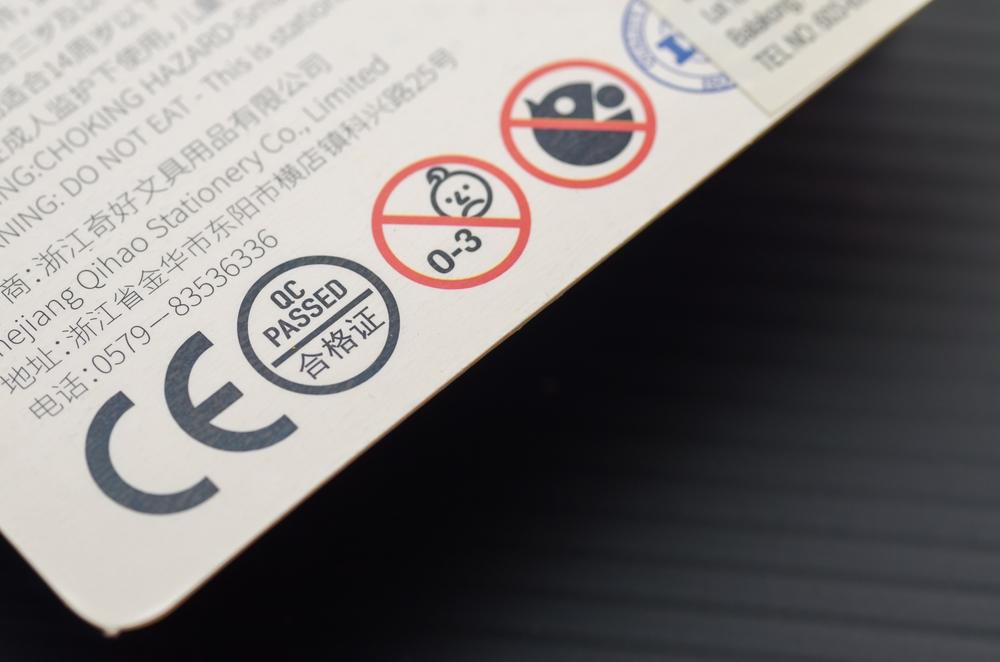
You buy a space heater to stay warm, a car seat to protect your child, or a phone charger to get through the day. These are ordinary purchases, trusted products that are supposed to work as advertised. But every year, thousands of people across the country suffer serious injuries from defective consumer goods, products that overheated, malfunctioned, or simply failed to warn users of known dangers.
The reality is that dangerous products reach store shelves more often than most people expect, and many recalls only happen after someone has already been hurt. If you or someone in your family was injured by a defective product in Illinois, you have legal rights worth understanding.
What is Considered a Defective Product?
A defective product is one that is not reasonably safe for its intended use or fails to provide adequate warnings about known risks that come with using it. This is the basic idea Illinois courts use when determining whether a product is legally considered unsafe.
Product liability law is an area of law that focuses on holding companies, manufacturers, and sellers legally responsible if a defective product causes harm. In Illinois, product liability cases generally involve three main types of defects:
- Design defects: The product’s design is inherently unsafe, meaning even a perfectly manufactured version of it poses unreasonable risks
- Manufacturing defects: Something went wrong during production, causing a specific unit or batch to differ dangerously from the intended design
- Failure to warn: The product lacked adequate instructions or warnings about known risks, leaving users without information they needed to stay safe
When any of these lead to injury or death, victims and families may be entitled to recover compensation for losses such as medical expenses, lost income, and other damages from the responsible parties.
Common Examples of Harmful Consumer Products
Defective products span almost every category of goods consumers use daily. Some of the most frequently involved include:
- Household appliances: Space heaters, microwaves, and pressure cookers have all been linked to fires, burns, and explosions caused by faulty components or design flaws
- Children’s products: Cribs with dangerous drop-side designs, toys with small detachable parts, and defective car seats have caused preventable injuries and fatalities in children
- Automotive components: Faulty airbags, brake system failures, and defective tires have led to serious crashes and fatalities
- Electronics and batteries: Lithium-ion batteries in phones, laptops, and e-bikes have overheated and caught fire, causing severe burns and property damage
- Household chemicals and cleaners: Inadequate labeling on toxic products has led to poisoning, chemical burns, and respiratory damage
It’s worth noting that product recalls frequently follow injuries rather than prevent them. By the time a recall is announced, consumers may already have the product in their homes and may have already been hurt.
How Product Liability Claims Work in Illinois
Product liability cases are different from other types of personal injury cases in that victims and families do not need to prove that a company acted carelessly or intended to cause harm with its product. Most product liability claims are based on the legal principle of strict liability, which means that victims must only prove that the product was defective and that it caused the injury.
While this sounds simple in theory, these cases can be highly complex in practice. Companies often argue that the product was misused or altered after purchase, and victims and families must be able to gather and present strong evidence to support their case.
Relevant evidence in product liability claims may include the damaged or remaining product itself, photographs or video from the incident, medical records documenting the injuries, purchase records, and product manuals or warning labels. In many cases, analysis from engineering or product safety experts is also necessary to show how and why the failure occurred.
What Types of Compensation Are Available in Defective Product Claims?
When pursuing a product liability claim, the goal is to help restore, as much as possible, the financial and personal impact of the injury. Victims and families may seek compensation for a wide range of losses, which can include:
- Medical expenses: This includes emergency care, hospital bills, surgeries, prescription medications, physical therapy, and any future medical treatment related to the injury.
- Lost income: If the injury causes time away from work, compensation may cover lost wages. In more serious cases, it may also include reduced ability to earn income in the future.
- Pain and suffering: This refers to the physical pain and emotional distress caused by the injury, including ongoing discomfort, anxiety, and loss of enjoyment of daily activities.
- Disability or disfigurement: Serious injuries that result in permanent impairment, scarring, or long-term physical limitations may justify additional compensation for the lasting impact on quality of life.
- Future care needs: Some injuries require ongoing assistance, such as in-home care, medical equipment, or long-term rehabilitation, which can also be included in a claim.
- Wrongful death damages (in fatal cases): When a defective product causes a death, surviving family members may be able to recover funeral expenses, loss of financial support, and loss of companionship and guidance.
Steps to Take After a Product Injury
What you do in the hours and days after a product injury can significantly affect the outcome of a legal claim. The most important actions to take are:
- Seek medical attention right away, even if injuries seem minor at first
- Preserve the product exactly as it is. Don’t discard it, repair it, or return it to the store
- Photograph the product, any visible damage, and your injuries
- Hold onto receipts, packaging, and any instruction manuals or warning labels
- Keep a record of your symptoms and all medical treatment you receive
- Avoid giving statements to the manufacturer or their insurance company without independent legal guidance
Evidence deteriorates quickly in product liability cases. The product itself is often the most important piece of evidence, and losing it can seriously weaken a claim.
How a Product Liability Attorney Can Help
While the legal standards in product liability cases differ from those in other types of injury claims, these cases are no less complicated. Building a strong product liability claim requires a thorough investigation and a clear understanding of how these cases work against well-funded corporate defendants.
A product liability lawyer can help with a product liability lawsuit by:
- Investigate how the defect occurred and gather evidence to support the claim
- Consult engineers, safety professionals, and medical experts to establish causation
- Identify every party in the supply chain that may share responsibility
- Manage all communications with insurers and corporate legal teams
- Calculate the full extent of damages, including medical costs, lost income, and pain and suffering
- Prepare the case for settlement negotiations and file a product liability lawsuit if a fair resolution isn’t reached
With the right legal representation, you have a stronger chance of recovering full and fair compensation for the harm you’ve suffered.
If You Have Been Injured By a Defective Product, Talk to Our Product Liability Attorneys
At Power Rogers, our personal injury attorneys have spent more than 30 years representing people seriously injured by negligent corporations and insurers, and we have recovered over $6 billion in verdicts and settlements for our clients. If you were hurt by a defective or dangerous product, contact us to schedule a free consultation and learn what options may be available to you.

