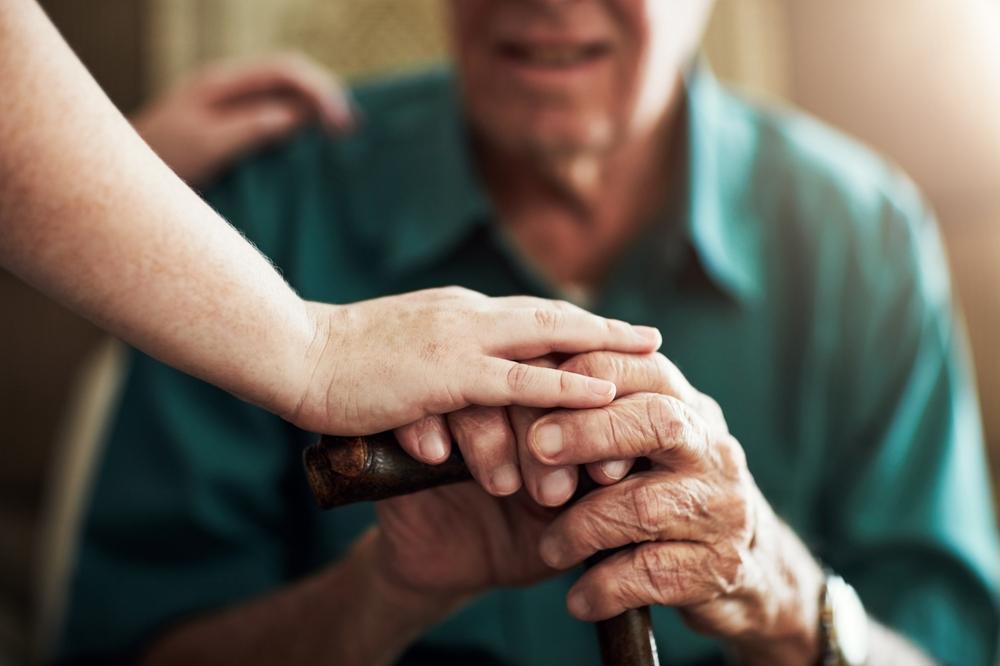

Nursing home abuse is not always intentional or obvious. Some of the most serious cases involve neglect, inadequate supervision, medication errors, understaffing, or failures to respond when a resident’s condition changes. When those failures cause preventable injury, the resident and their family may have grounds to pursue a legal claim.
At Power Rogers, LLP, we help families in Chicago determine what happened, who may be responsible, and whether the evidence supports a nursing home abuse or neglect case. Our attorneys can obtain and review facility records, investigate the care provided, and pursue compensation when a resident has been harmed. We offer free consultations and handle these cases on a contingency-fee basis, so you pay no attorney fee unless we recover compensation for you.
Click here to schedule a confidential consultation or call our office at (312) 236-9381.
Key Takeaways
- Nursing home abuse and neglect in Chicago can involve physical, emotional, sexual, or financial mistreatment, as well as inadequate supervision, medication errors, understaffing, and failures to provide proper care that result in preventable injuries.
- Victims of nursing home abuse or neglect in Illinois may pursue compensation for additional medical expenses, pain and suffering, emotional distress, disability, and other losses, with wrongful death damages potentially available when negligence causes a resident’s death.
- Illinois generally imposes a two-year filing deadline for many nursing home abuse and neglect lawsuits, although exceptions may apply. Families should document injuries, preserve evidence, report suspected abuse to the Illinois Department of Public Health, and seek legal guidance promptly.
What Is Considered Nursing Home Abuse or Neglect?
Nursing home abuse and neglect are not the same, but both can give rise to serious legal claims when a resident is harmed. Abuse usually involves intentional mistreatment, while neglect involves failing to provide the care, supervision, or protection a resident needs.
That distinction matters because many nursing home cases do not involve an obvious act of violence. A resident may be harmed because staff failed to reposition them, monitor a change in condition, provide adequate nutrition or hydration, administer medication correctly, or protect them from a known risk. In those situations, the issue is whether the facility failed to provide appropriate care and whether that failure caused or worsened the resident’s injury.
Common Types of Nursing Home Abuse and Neglect
Nursing home claims may involve several different forms of mistreatment or failures in care, including:
- Physical abuse: Hitting, pushing, rough handling, or improper use of restraints.
- Sexual abuse: Nonconsensual sexual contact or exploitation.
- Emotional abuse: Threats, humiliation, intimidation, harassment, or isolation.
- Financial exploitation: Theft, misuse of a resident’s money or property, or coercive financial conduct.
- Neglect: Failure to provide adequate food, hydration, hygiene, supervision, repositioning, mobility assistance, or other basic care.
- Medical neglect and medication errors: Failure to monitor a resident’s condition, follow physician orders, administer medications properly, or respond when the resident’s health declines.
Common Injuries Caused by Nursing Home Abuse and Neglect
Elder abuse and neglect in nursing facilities can lead to a wide range of injuries and medical complications, particularly when residents are already vulnerable because of age, illness, or limited mobility. Common examples include:
- Falls and fractures. Residents may suffer broken hips, head injuries, or other trauma when they do not receive required assistance, supervision, or fall precautions.
- Pressure sores. Residents with limited mobility can develop serious wounds when they are not repositioned regularly or given appropriate skin care.
- Infections and sepsis. Untreated wounds, poor hygiene, catheter problems, or delays in responding to symptoms can allow infections to worsen.
- Malnutrition and dehydration. These conditions can develop when residents do not receive enough food or fluids, need feeding assistance that is not provided, or are not properly monitored.
- Medication-related injuries. Missed doses, incorrect medications, improper dosages, or inappropriate use of sedating drugs can cause serious complications.
- Choking and aspiration injuries. Residents with swallowing difficulties may be harmed when dietary restrictions, feeding instructions, or other precautions are not followed.
- Wandering and elopement injuries. Residents who leave supervised areas may suffer falls, exposure, traffic injuries, or other preventable harm.
The presence of one of these injuries does not automatically mean abuse or neglect occurred. The legal question is whether a failure in care caused or contributed to the harm.
When Can You Sue for Nursing Home Abuse or Neglect?
If your loved one suffered an injury, worsening condition, or death in a Chicago nursing home, it is reasonable to wonder whether you may have grounds for a lawsuit. In some cases, you may. But the fact that harm occurred is only the beginning.
A viable claim generally requires evidence that the harm was preventable and resulted from the facility or its staff failing to provide appropriate care, supervision, treatment, or protection. That could involve failing to follow a care plan, respond to a change in condition, provide necessary assistance, administer medication properly, or protect the resident from a known risk.
Most families don’t have those answers at the outset, and getting them often requires sorting through medical records, nursing notes, staffing records, medication logs, and other evidence. That’s where having an experienced Chicago nursing home abuse lawyer on your side can make a key difference.
How Power Rogers Helps Families Pursue Nursing Home Neglect and Abuse Claims
At Power Rogers, LLP, our Chicago trial lawyers have helped clients recover more than $6 billion in settlements and verdicts since 1993. We have extensive experience handling serious injury, medical negligence, wrongful death, and other complex cases where determining what went wrong requires a careful investigation and the ability to challenge well-defended institutions.
When our nursing home abuse & neglect lawyers in Chicago take on a case, we focus on:
- Obtaining and reviewing the evidence. We gather medical records, nursing notes, care plans, incident reports, medication logs, staffing records, photographs, video, and other information that can show whether the care provided fell short.
- Investigating facility-wide failures. We look beyond the immediate incident to determine whether inadequate staffing, poor training, lack of supervision, unsafe policies, or management decisions contributed to the harm.
- Consulting the right experts. Medical, nursing, and other experts can help establish what care should have been provided, whether a failure caused or worsened the resident’s condition, and the extent of the resulting harm.
- Pursuing the responsible parties. We identify the individuals and companies that may be legally responsible, handle negotiations and litigation, and prepare the case for trial if a fair resolution cannot be reached.
Families should not have to piece together a nursing home’s records, policies, and explanations on their own. Our role is to find the answers, build the evidence, and pursue accountability for the harm your loved one suffered.
Click here to schedule a confidential consultation or call our office at (312) 236-9381.
How Do You Prove Nursing Home Abuse or Neglect?
Nursing home abuse and neglect cases rarely turn on a single piece of evidence. Instead, records, photographs, witness accounts, and expert opinions can all work together to show the full picture of what happened.
Key types of evidence in a nursing home abuse or neglect case may include:
- Care plans and nursing assessments showing the resident’s medical needs, mobility limitations, fall risks, skin-care needs, and level of supervision.
- Physician orders and medication records showing what treatment, monitoring, medications, or precautions staff were expected to provide.
- Incident reports and facility records documenting falls, injuries, complaints, changes in condition, or other events relevant to the resident’s care.
- Staffing and training records that may show whether too few employees were working, whether staff received appropriate training, or whether supervision problems contributed to the harm.
- Photographs, video, and witness statements that can document injuries, unsafe conditions, changes in the resident’s appearance, or what family members, visitors, or staff observed.
- Medical and hospital records showing the resident’s condition before and after the incident, the treatment required, and whether the injury or decline could be linked to the care they received.
- Expert opinions from physicians, nurses, wound-care specialists, or other healthcare professionals who can explain what appropriate care should have looked like and whether the facility’s failures contributed to the resident’s injury.
The goal is to show what should have happened, what actually happened, and whether better care could have prevented or reduced the harm.
What Damages Can You Recover in a Chicago Nursing Home Abuse Case?
Compensation depends heavily on what happened and how the nursing home resident was affected, both physically and emotionally. There isn’t a one-size-fits-all number, but damages in these cases may include:
- Additional medical treatment or hospitalization made necessary by the abuse or neglect.
- Pain and suffering.
- Emotional distress.
- Disability or loss of normal life.
- Other financial losses caused by the injury.
- Damages associated with wrongful death when abuse or neglect proves fatal.
Throughout a case, our team works to make sure any damages sought reflect the actual harm caused by the abuse or neglect itself, not simply the resident’s pre-existing health condition, which nursing homes often try to use as an explanation for an injury that was, in fact, preventable.
What Should You Do If You Suspect Nursing Home Abuse?
If you believe a loved one is being abused or neglected, a few practical steps can protect both their safety and any future legal claim.
- Address immediate safety or medical needs. Call 911 if the resident is in immediate danger or needs emergency medical care. Serious physical or sexual abuse, theft, or other suspected crimes may also warrant contacting local law enforcement directly.
- Document what you observe. Note injuries, pressure sores, or unsafe conditions, along with dates, the names of staff involved, and any changes in your loved one’s condition. Write down the explanations the facility offers, and take photos and save relevant communications when you can.
- Raise non-emergency concerns with the facility. For issues like missed care, hygiene, medication, or supervision, speak with the charge nurse, director of nursing, or administrator. Serious abuse or immediate danger should be reported outside the facility right away.
- Report concerns to the Illinois Department of Public Health. IDPH licenses and regulates Illinois nursing homes and investigates complaints through its Central Complaint Registry. You can file a complaint by phone, mail, email, or fax, with the Central Complaint Registry Hotline available Monday through Friday from 8:30 a.m. to 4:30 p.m. at 800-252-4343, or submit a complaint online through the department’s portal.
- Contact the Chicago Long-Term Care Ombudsman Program. Ombudsmen advocate for residents in long-term care facilities, help address concerns about care and rights, and can assist families working through problems with a facility. In Chicago, you can contact the City of Chicago’s dedicated Ombudsman team, which represents individuals living in long-term and residential care facilities, by calling 312-744-4016 and requesting a referral through the City of Chicago Ombudsman Program.
- Talk with a Chicago nursing home abuse & neglect attorney. This is especially important where there’s a serious injury, hospitalization, death, conflicting explanations from the facility, or an ongoing pattern of poor care.
Click here to schedule a confidential consultation or call our office at (312) 236-9381.
Frequently Asked Questions About Chicago Nursing Home Abuse Claims
In many Illinois nursing home abuse and neglect cases, the filing deadline is two years. Wrongful death claims also generally must be filed within two years of the resident’s death, while medical negligence claims can follow different timing rules based on when the injury was discovered. Because the exact deadline depends on the type of claim and the facts involved, it is best to have an attorney determine which timeframe applies as soon as possible.
Power Rogers, LLP offers free consultations to families who want to understand their options. We handle nursing home abuse and neglect cases on a contingency-fee basis, which means there’s no upfront cost to hire us, and we only get paid if we recover compensation on your behalf.
Many nursing home abuse and neglect claims resolve through negotiated settlements, but some require litigation, and a smaller number go all the way to trial. Whether a case ends up in court often depends on whether the facility and its insurer accept responsibility, how the damages are valued, and whether a fair settlement offer is on the table. Power Rogers, LLP prepares every case with trial in mind from the start, which puts us in a stronger position at the negotiating table and, when necessary, in front of a jury.
Yes. Power Rogers, LLP is based in downtown Chicago at 70 West Madison Street, Suite 5500, Chicago, IL 60602. We offer free consultations and can discuss your situation by phone or video if an in-person meeting isn’t practical.
Speak With a Chicago Nursing Home Abuse Lawyer at Power Rogers
You don’t need to know exactly which law was violated or exactly what happened behind closed doors before reaching out to an attorney. Part of what we do at Power Rogers, LLP is obtain the records, investigate the care your loved one received, and determine whether a facility’s failures caused or contributed to their harm.
As a Chicago trial firm with more than $6 billion recovered in verdicts and settlements for our clients, we bring the resources and courtroom experience needed to pursue accountability for nursing home negligence. We offer free consultations and represent families on a contingency-fee basis, so you owe nothing unless we recover compensation for you. If you suspect a loved one has been harmed by abuse or neglect in a Chicago-area nursing home, contact us today to discuss what happened with a Chicago nursing home lawyer.

